
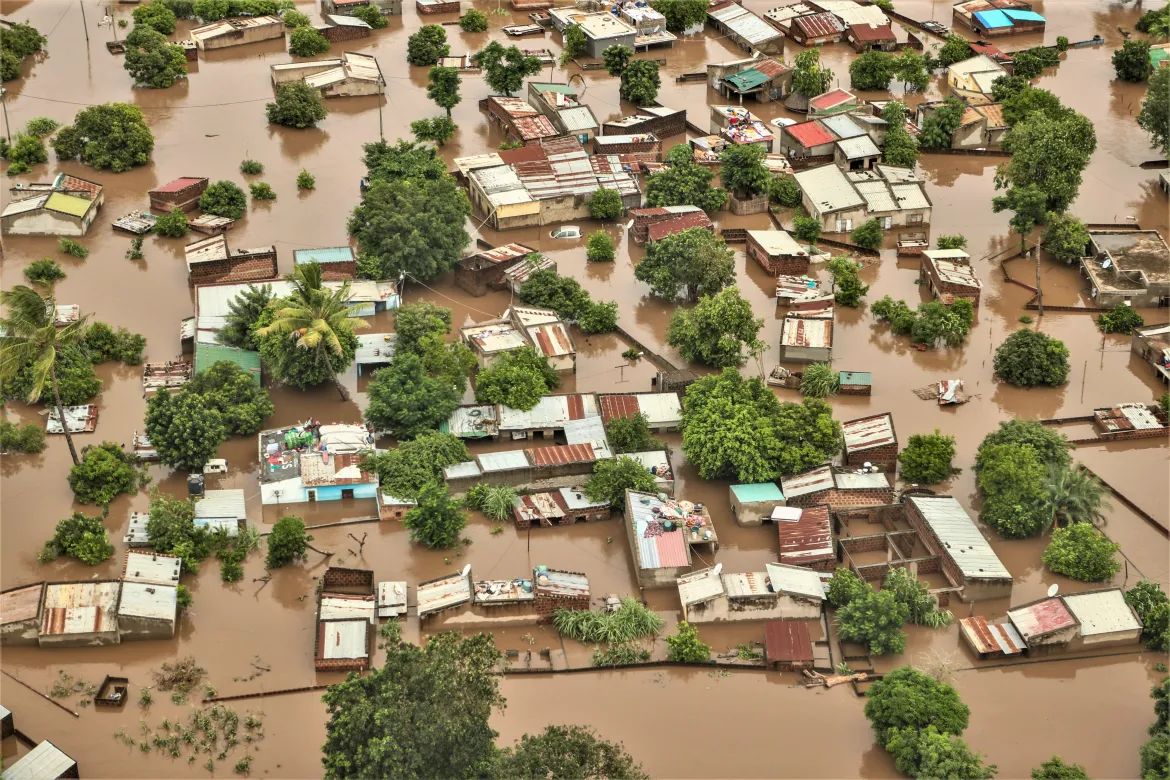
More than 640,000 people in Mozambique have been affected by catastrophic flooding unleashed by weeks of torrential rains, local authorities and humanitarian agencies report, in what is emerging as one of the worst weather disasters in the region in recent memory. The hardest hit areas are in the southern provinces, particularly Gaza, where entire communities have been submerged and hunger, disease and displacement loom large.
In the provincial capital Xai‑Xai, entire neighbourhoods lie underwater, with residents forced to seek higher ground or shelter in makeshift accommodation centres. The flooding, driven by prolonged rainfall across southern Africa, has also affected Maputo and Limpopo provinces, inundated critical infrastructure and wiped out farmlands that millions rely on for food production.
Local disaster authorities, coordinating with Mozambique’s National Disaster Management Institute (INGD), say that the sheer scale of displacement is overwhelming existing resources. “In less than 24 hours, over 10,000 people have arrived at the centre, so we need to strengthen the shelters, increase food supplies, and also provide more medicine,” said Cândido Mapute, INGD’s regional director, highlighting the urgency of bolstering emergency centres.
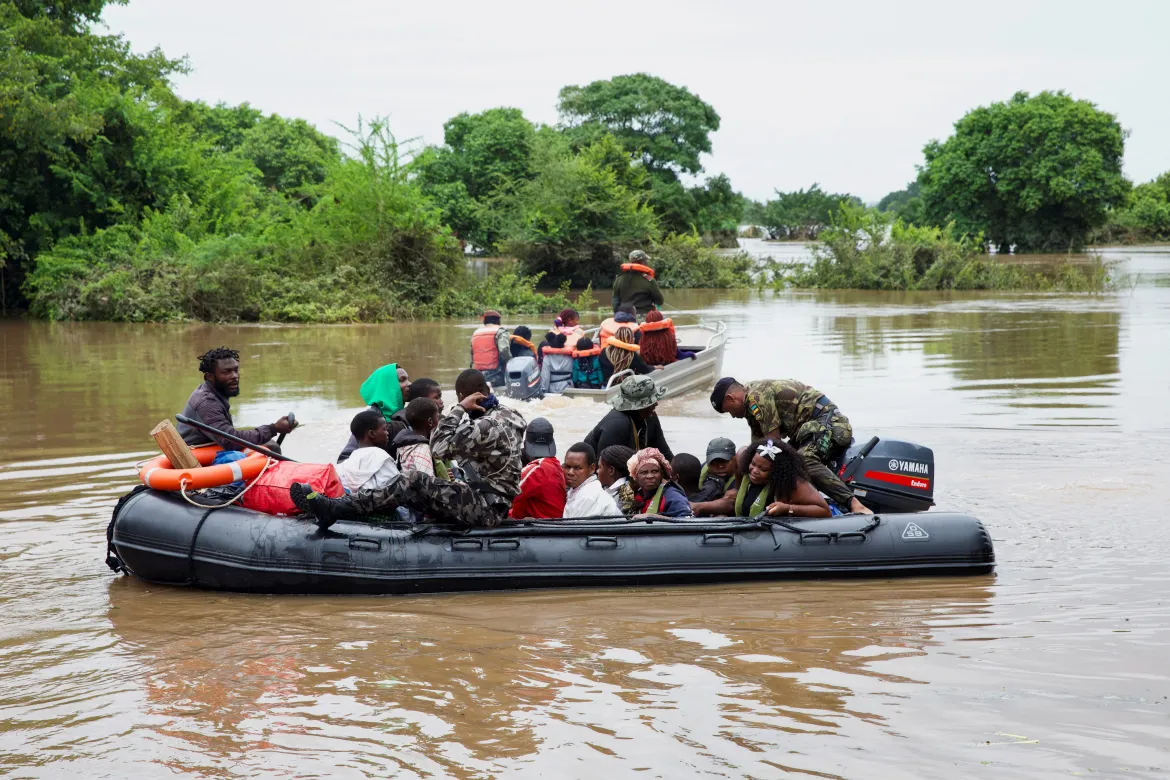
Across Gaza and adjacent districts, thousands have already fled their homes and crowded into temporary shelters — many located in schools, community halls or makeshift centres that are now dangerously over capacity. Displacement figures continue to rise as remote areas remain cut off by floodwaters and damaged roads, complicating relief delivery.
Humanitarian agencies warn that malnutrition and water‑borne disease outbreaks such as cholera pose an imminent threat. The United Nations Children’s Fund (UNICEF) said children are among the most vulnerable, with access to clean water, food and healthcare uncertain for those displaced. In pre‑flood conditions nearly four in ten children in Mozambique already faced chronic malnutrition, and the added disruption to food supplies and health services now threatens to escalate this into acute and potentially fatal forms of malnutrition.
The flood’s impact extends far beyond urban centres. In Limpopo province — a key agricultural belt — authorities report crop destruction on a vast scale, undermining food security for millions of small‑scale farmers whose livelihoods depend on seasonal yields. The district administrator, Virgilio Muchanga, said rescue teams had already assisted around 40 people in isolated locales cut off by fast‑moving waters.
International support has begun to arrive. Members of the Portuguese Air Force’s Rapid Reaction Force are on the ground conducting assessments to inform broader aid efforts, and the Southern African Development Community (SADC) has deployed emergency response teams to support Mozambique and neighbouring South Africa in coordinated relief and recovery operations.
Deaths across southern Africa now exceed 100, with authorities cautioning that the toll is likely to rise as waters recede and remote areas become accessible again. The flood emergency follows a regional pattern of extreme weather, linked by scientists to climate change, that has already battered parts of Zimbabwe and South Africa with severe rains and flooding.
President Daniel Chapo, who cancelled international engagements to lead the national response, has urged solidarity from the private sector and citizens alike, calling for donations of food, medicines and essential supplies to support overwhelmed relief operations.