

China’s sprawling network of waste-to-energy incinerators, once struggling to keep pace with mountains of rubbish, now faces an unexpected crisis: a severe shortage of garbage. With waste production slowing and treatment capacity expanding rapidly, many plants are operating well below capacity. In some extreme cases, operators have resorted to excavating garbage buried two decades ago to keep their furnaces burning, highlighting a new challenge in the country’s environmental management efforts.
Across Chinese social media platforms, the phrase “hungry incinerators” has surged in popularity. This unusual term describes the growing shortage of waste for the country’s vast network of waste-to-energy plants, which are so eager to keep running that they are competing fiercely for local rubbish—and even importing trash from abroad.
Waste incineration, a process that burns garbage to generate electricity, has been a vital part of China’s effort to manage the huge quantities of waste produced by its fast-growing cities. For years, urban areas were overwhelmed by piles of unprocessed refuse, causing environmental and public health concerns.
Professor Liu Jianguo, an environmental expert at Tsinghua University, explained that the rapid expansion of waste-to-energy incinerators has helped alleviate this problem significantly. “China’s waste incineration industry is now a global leader, known for its advanced equipment, innovative technology, and strong management,” he said.
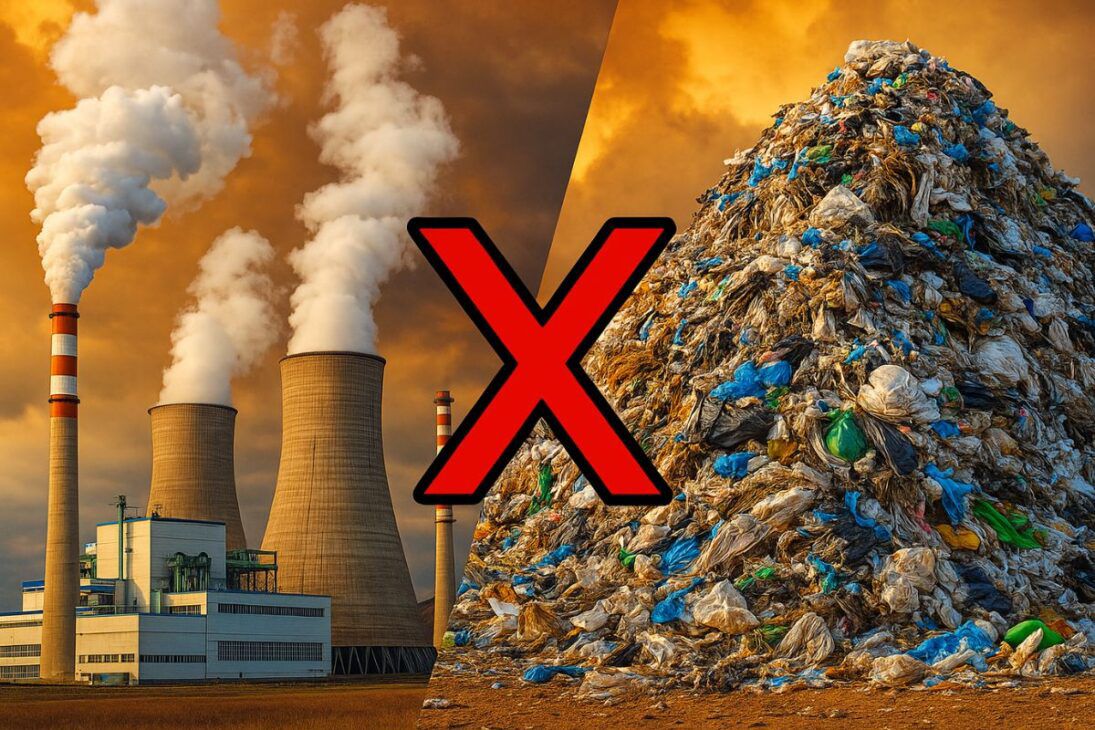
According to a recent report by Insight and Info, as of October 2024, China operates 1,010 waste incineration plants, nearly half of all such facilities worldwide.
In the southern province of Hainan, the first in China to achieve province-wide waste-to-energy incineration, journalists from Time Africa observed the scale of these operations firsthand. A sealed waste storage silo in Sanya City’s municipal incineration plant can hold up to 20,000 metric tons of garbage at a time. Each ton of waste is capable of producing 340 to 350 kilowatt-hours of electricity, enough to pow
er an average household for a whole month. In other words, the garbage produced by five families can supply electricity to one household.
This kind of smart waste management is becoming more common across China, as the country adopts greener and more efficient ways to turn refuse into renewable energy.
China’s Ministry of Ecology and Environment revealed in its 2024 Ecological and Environmental Status Bulletin that the collection of urban household waste reached 262.37 million metric tons last year. The capacity for harmless treatment of this waste, primarily through incineration, stands at 1.16 million metric tons per day. This means that China is already exceeding the targets set by its 14th Five-Year Plan, a national development strategy, well ahead of schedule.
By the end of 2025, it was expected that China’s waste incineration plants would handle around 800,000 metric tons of garbage daily. But the reality today paints a different picture: the capacity of these plants has surpassed the actual volume of waste being collected.
The problem now is that many incinerators are operating at only about 60% capacity, leaving 40% of their potential unused. The semi-official think tank E20 Institute, based in Beijing, highlighted this gap, noting that several plants have even resorted to digging up old rubbish buried in landfills two decades ago just to keep their furnaces burning.
In the short term, these “hungry incinerators”
rely heavily on finding additional waste to process. This has triggered what some call a “garbage scramble,” where local governments and plant operators compete for limited refuse.
Professor Liu suggested that a solution lies in broadening the types of waste fed into incinerators. Beyond urban household rubbish, rural waste, combustible industrial scraps, and organic solid waste that have been previously unmanaged could be included. This expansion would help fill the supply gap and make use of materials that currently go to waste.
Interestingly, some Chinese companies are now seeking waste supplies overseas to keep their plants running efficiently. Leading enterprises have invested in waste-to-energy projects beyond China’s borders—in Southeast Asia, Central Asia, and even developed countries like the United Kingdom and France.
This international move marks a significant milestone for China’s ecological ambitions. The country’s incineration technology isn’t just about machinery; it involves an entire industrial system, from waste collection and transportation to energy production and emission control.
The transformation of China’s incineration industry—from a domestic sector scrambling for fuel to an international exporter of technology and expertise—reflects the country’s growing leadership in sustainable environmental management.
China’s experience offers a new perspective on waste management in a world where urbanisation and consumption continue to increase. The rapid build-out of incineration plants has
effectively reduced the nation’s waste backlog and turned garbage into a valuable energy source.
However, the current surplus capacity and resulting fuel shortage highlight the complex challenges of balancing supply and demand in a system still evolving.
For other countries watching China’s progress, the message is clear: investment in technology and infrastructure can turn waste problems into energy solutions, but it also requires adaptive policies to maintain balance and sustainability.
As China continues to innovate and export its waste-to-energy technology worldwide, the hope is that this approach will inspire a global shift toward cleaner, more circular economies—where nothing is wasted, and rubbish becomes a resource.