
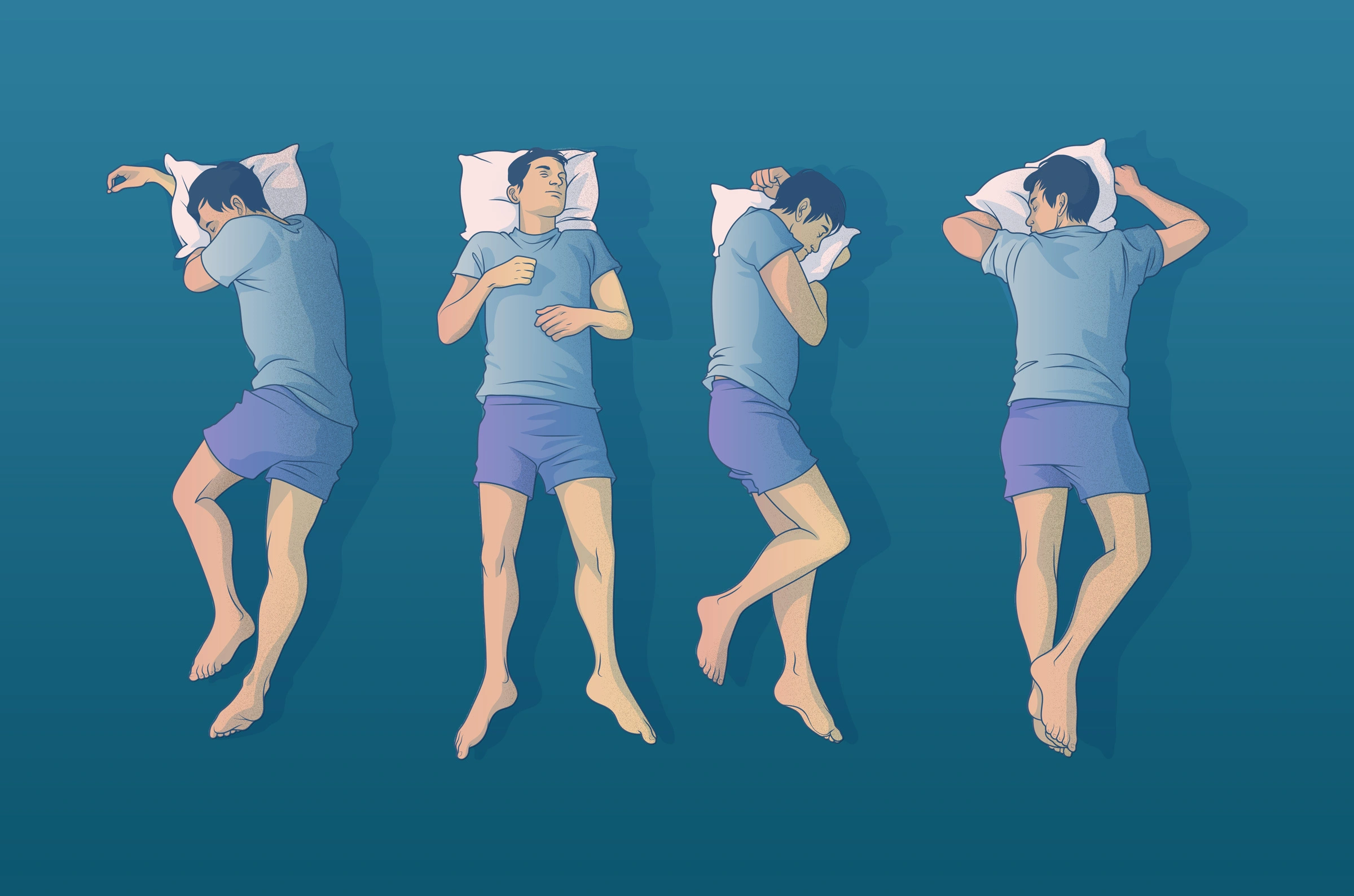
Back, front or side — the way you sleep each night might feel like a harmless habit, but growing evidence suggests it can quietly shape your long-term health in ways most people never consider. From chronic pain and heart strain to breathing disorders and even brain health, sleep posture is emerging as an overlooked factor in how well — and how long — we live.
Most of us give little thought to how we position our bodies once the lights go out. We curl up, stretch out or flop onto the mattress in a familiar way and drift off. Yet we spend roughly a third of our lives asleep, and the posture we maintain for hours at a time places repeated stress on the same joints, muscles, organs and airways night after night.
In the best cases, poor sleep posture leads to stiffness, aches or restless nights. In the worst, it may contribute to serious health problems that accumulate silently over years.
Despite this, sleep research has traditionally focused more on duration and quality than on position. Studies often examine insomnia, circadian rhythms or screen use, while posture is dismissed as a minor comfort issue. But specialists are increasingly warning that how we sleep deserves far more attention.
The hidden link between daytime habits and nighttime pain
Dr Kat Lederle, a sleep scientist and author of Sleep Sense, says that sleep posture problems rarely exist in isolation. Instead, they often reflect what the body has been subjected to during waking hours.
“What you do during the day usually sets the stage for what happens at night,” she explains. “If someone is sedentary, sitting for long periods, hunched over a desk or phone, the muscles adapt to that position. When they lie down to sleep, certain postures then place stress on already compromised areas.”
A lack of movement, weak core muscles and limited joint mobility all increase the likelihood that a particular sleep position will cause discomfort or strain. Over time, repeated stress during sleep can worsen inflammation and slow the body’s ability to recover.
But the consequences of sleep posture go far beyond sore necks and stiff backs.
Side sleeping: popular, but not always harmless
Sleeping on your side is the most common position worldwide, often recommended for comfort and snoring reduction. Yet the effects of side sleeping depend heavily on which side you choose — and on your body shape, mattress and pillow support.
Left side versus right side
For pregnant women and people who experience acid reflux or gastroesophageal reflux disease (GERD), sleeping on the left side is generally advised. Chartered physiotherapist and sleep expert Sammy Margo explains that anatomy plays a key role.
“The stomach sits lower than the oesophagus,” she says. “When you lie on your left side, gravity helps keep stomach acid from flowing upward, which can reduce reflux symptoms.”
The left side is also often recommended during pregnancy because it improves blood flow to the placenta and reduces pressure on major blood vessels.
However, for people with certain heart conditions, the advice may differ. Research has shown that when individuals lie on their left side, the heart can shift slightly due to gravity, altering its position within the chest. This can affect the heart’s electrical activity in some people, particularly those with existing cardiac issues.
“When you sleep on your right side, the tissues between the lungs help support the heart and keep it more stable,” Margo explains. As a result, some cardiologists advise patients with heart problems to favor right-side sleeping.
Sleep posture and brain health
One of the most intriguing — and still emerging — areas of research links sleep position to brain health. During sleep, the brain activates a waste-clearance mechanism known as the glymphatic system. This system flushes out metabolic by-products and toxins that accumulate during the day.
Early evidence suggests that this “brain washing” process may work more efficiently when people sleep on their side, particularly the right side.
“That’s potentially significant for anyone at risk of dementia, Alzheimer’s disease or other neurodegenerative conditions,” says Lederle. While research is ongoing, the idea that posture could influence long-term brain health has captured scientists’ attention.
Musculoskeletal strain and body shape
Side sleeping can also place uneven pressure on the shoulders, hips and spine, particularly if the mattress is too soft or too firm.
“Women with an hourglass figure often sink into a soft mattress in a curved, banana-like shape,” Margo explains. “That can strain the spine and hips.” Men, on the other hand, may experience increasing shoulder pain as they age and muscle strength declines.
Over time, poor alignment during side sleeping can contribute to morning stiffness, nerve compression and chronic discomfort.
Side sleeping has also been linked to cosmetic concerns, such as facial wrinkles and breast sagging, caused by repeated pressure and gravity acting on soft tissue. While these effects are not medically dangerous, they highlight how sustained posture influences the body in subtle ways.
What the research says
A 2022 study using wearable sensors to track sleep position found that people without sleep disorders who preferred side sleeping generally reported better sleep quality than back sleepers. However, frequent turning during the night was associated with poorer sleep.
Another study published in 2021 examined the relationship between sleep posture, back pain and sleep quality. It found that twisted positions — such as lying on the side with one leg thrown across the body — were associated with morning stiffness and muscle spasms, suggesting repeated micro-damage to tissues.
To reduce risk, experts recommend using a firm pillow that keeps the head aligned with the spine and placing a pillow between the knees to prevent hip rotation.
Back sleeping: ideal for the spine, risky for breathing
Sleeping on your back is often considered the gold standard for spinal alignment, but it comes with a major caveat: breathing.
The sleep apnoea risk
One of the most common problems associated with back sleeping is obstructive sleep apnoea. When lying flat on the back, gravity can cause the soft tissues at the back of the throat to relax and collapse, narrowing the airway.
This leads to snoring, disrupted breathing and repeated micro-awakenings throughout the night.
“Sleep apnoea doesn’t just make you tired,” says Lederle. “It affects the entire body.” Poor sleep quality increases the risk of high blood pressure, diabetes, heart disease and stroke. Daytime fatigue also raises the likelihood of accidents, particularly while driving.
Sleep apnoea is strongly associated with obesity, but it can affect people of all sizes.
For some, elevating the upper body slightly or switching to side sleeping can help reduce symptoms. In more severe cases, medical intervention may be required.
Benefits for pain and posture
For those without breathing issues, back sleeping can be highly beneficial. Margo notes that lying on the back with a pillow under the knees helps preserve the spine’s natural curves and reduces strain on the lower back.
“This position allows the body to distribute weight evenly,” she says. “It’s often recommended for people with back or neck pain.”
Back sleeping also minimizes facial compression, which may reduce wrinkle formation over time. It is commonly required after surgery and tends to be associated with fewer musculoskeletal complaints in older adults.
Front sleeping: comfortable, but costly
Sleeping on the stomach is the least recommended position by health professionals, despite its popularity among some people.
While stomach sleeping may reduce snoring by keeping the airway more open, it places the neck and spine in awkward positions for prolonged periods.
“When you sleep on your front, your neck has to twist to one side for hours at a time,” Margo explains. “That puts significant strain on the neck muscles and joints.”
The lower back also tends to arch, increasing pressure on the lumbar spine. Over time, this can lead to chronic pain and nerve irritation.
Direct pressure on the face may also contribute to skin creasing and discomfort.
For people who struggle to give up stomach sleeping, experts recommend using a very thin pillow — or none at all — and placing a pillow under the pelvis to reduce strain on the lower back.
Can you really change how you sleep?
Many people assume sleep position is fixed, but experts say it can be retrained with patience.
“If you want to change your sleep posture, do it gradually,” Lederle advises. For example, someone trying to move from back sleeping to side sleeping might start by lying on their side for five minutes before rolling onto their back. Each night, they increase the time slightly until the new position feels natural.
Using pillows strategically can also help prevent rolling into old habits. Body pillows, wedge pillows and mattress firmness all play a role in guiding posture subconsciously.
The bigger picture
Sleep posture alone will not determine lifespan, but it interacts with many other factors — breathing, circulation, pain, inflammation and neurological health — that collectively shape long-term wellbeing.
In a world where people are sleeping less, sitting more and living longer with chronic conditions, small nightly habits can have outsized effects.
The way you sleep tonight may not seem important. But over decades, those hours add up — and your body remembers every position you hold.
This article is an expanded analysis based on reporting originally published in May 2024.