


You can smell the Dandora Dumpsite before you see it. The bitter scent of burning plastic, the rot of decaying food, and the unmistakable smell of raw sewage all waft their way through the streets that surround the tip, which is spread over 30 acres in Nairobi’s western suburbs.
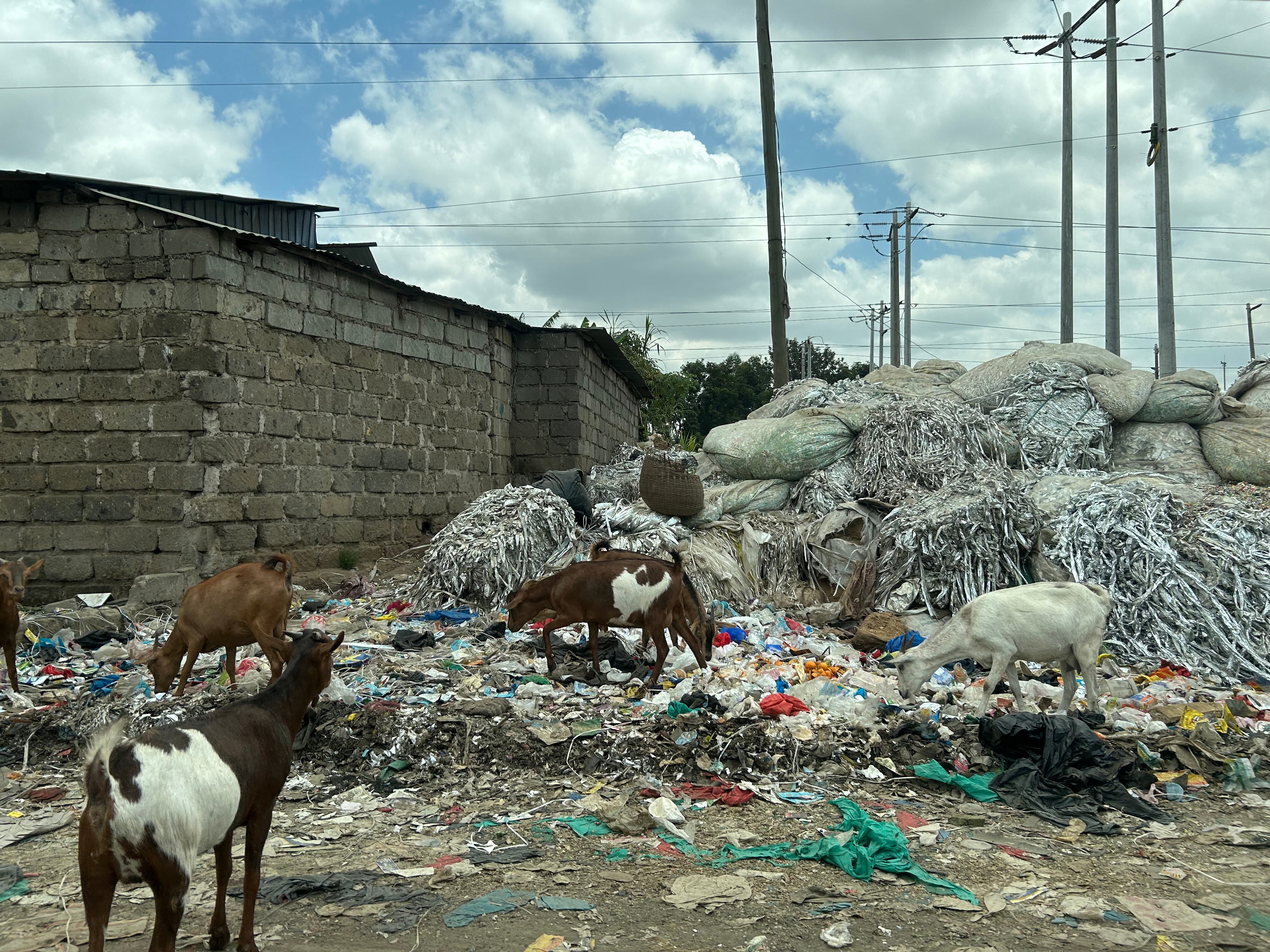
The grey, craggy mountains of the dumpsite itself are dotted with yellow excavators that sift through the waste. Despite being officially declared “full” in 2001, Dandora remains Nairobi’s main landfill site, with an estimated 2,000 metric tonnes of waste flowing in each day from the rapidly-growing city of six million. Acrid smoke billows from the site’s crevices, while goats and cows graze around its edges, searching for something nutritious.
In the middle of it all are the waste pickers. They come in their thousands each day from the surrounding slums to pick through the garbage with the hope of finding something valuable to sell. Metals, plastics, bones, and even food leftovers all fetch a price, which – while very low – can be lifeline in a country where some estimates put the unemployment rate at 40 per cent.
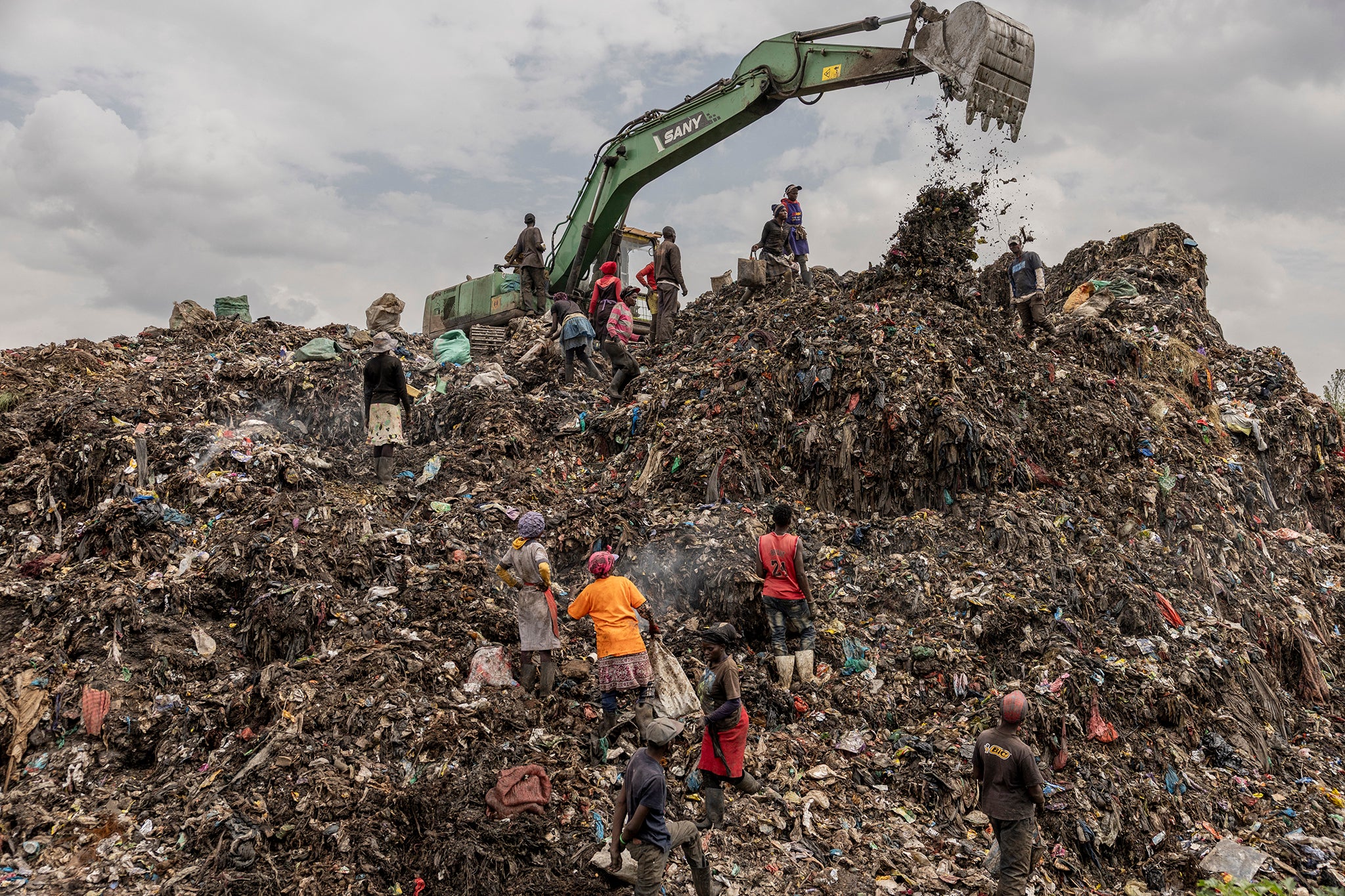
Health problems related to the work are common, with 71 per cent of waste pickers reporting ailments in a recent survey led by the Nairobi Recyclable Waste Association (NRWA). These include respiratory troubles, joint pains, back pain and dust allergies related to the work, as well as tuberculosis and malaria and longer-term conditions. Some 96 per cent of waste pickers reported being injured while working on the dumpsite, including being pierced by sharp objects like syringes, or burns from acid or heated items.
A typical shift at Dandora is 10 to 12 hours long, with many workers single parents, and most not educated beyond primary school, according that same survey. Waste pickers struggle to afford food, rent, and school fees. Fifty-three per cent of respondents to the NRWA survey report witnessing violence on the site as workers fought over recyclables, and a further 13 per cent have experienced sexual harassment.
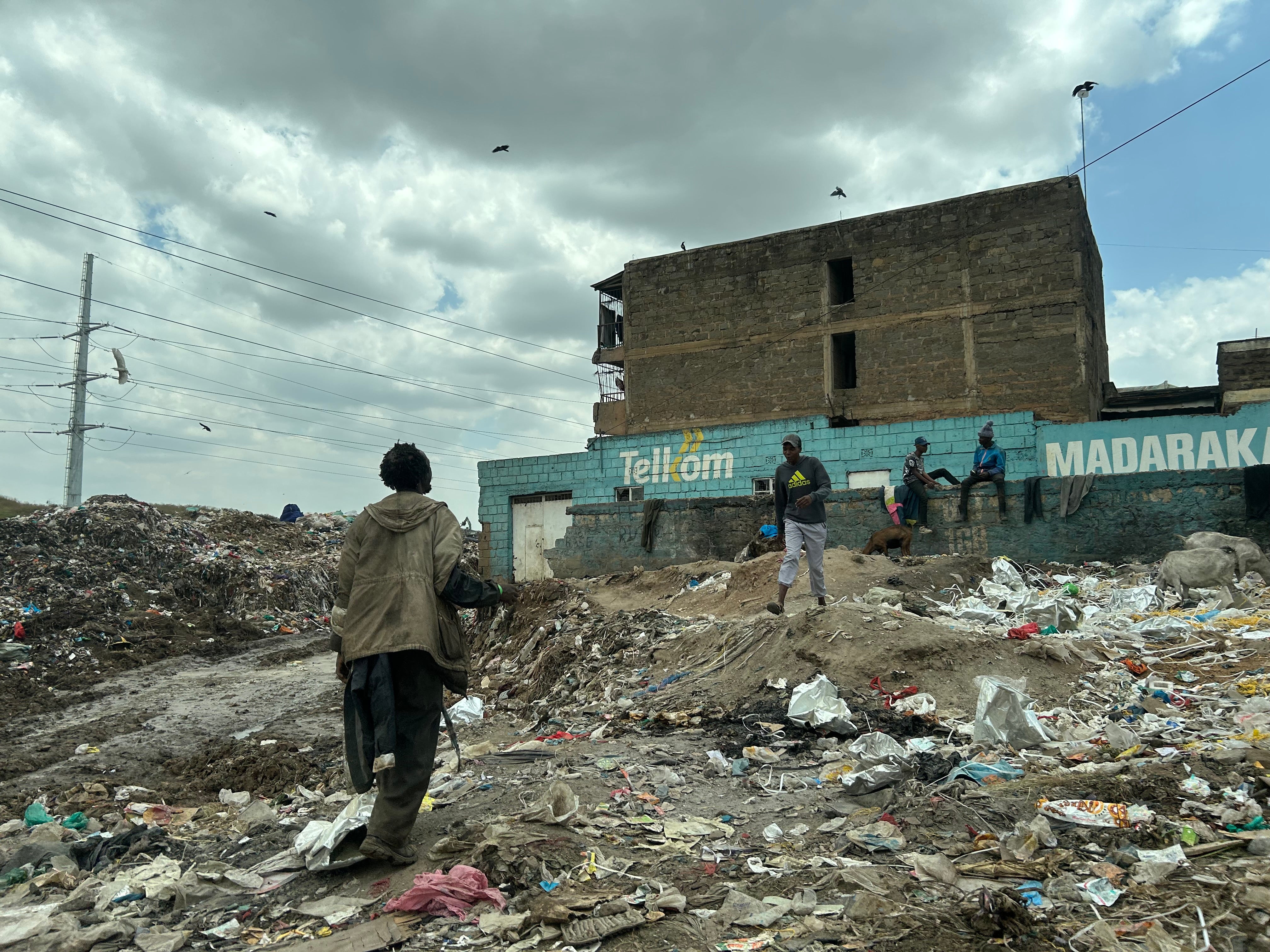
The climate crisis acts as an amplifier of the existing challenges faced by the waste pickers. Ask any of the waste pickers working at the site – or indeed in Nairobi as a whole – and they will agree: Both wet and dry seasons have become much more intense, which in turn is making their job much more challenging.
‘Temperatures are so much higher’
“It rains so much more now – and the during rainy seasons now, the dumpsite floods and it is hard for us to go out collecting,” says 42-year-old Naimuna during The Independent’s visit to Dandora recently, speaking in Kiswahili via a translator. “It becomes very muddy and you can fall slip down into holes, and they get cut. This happens to so many people.”
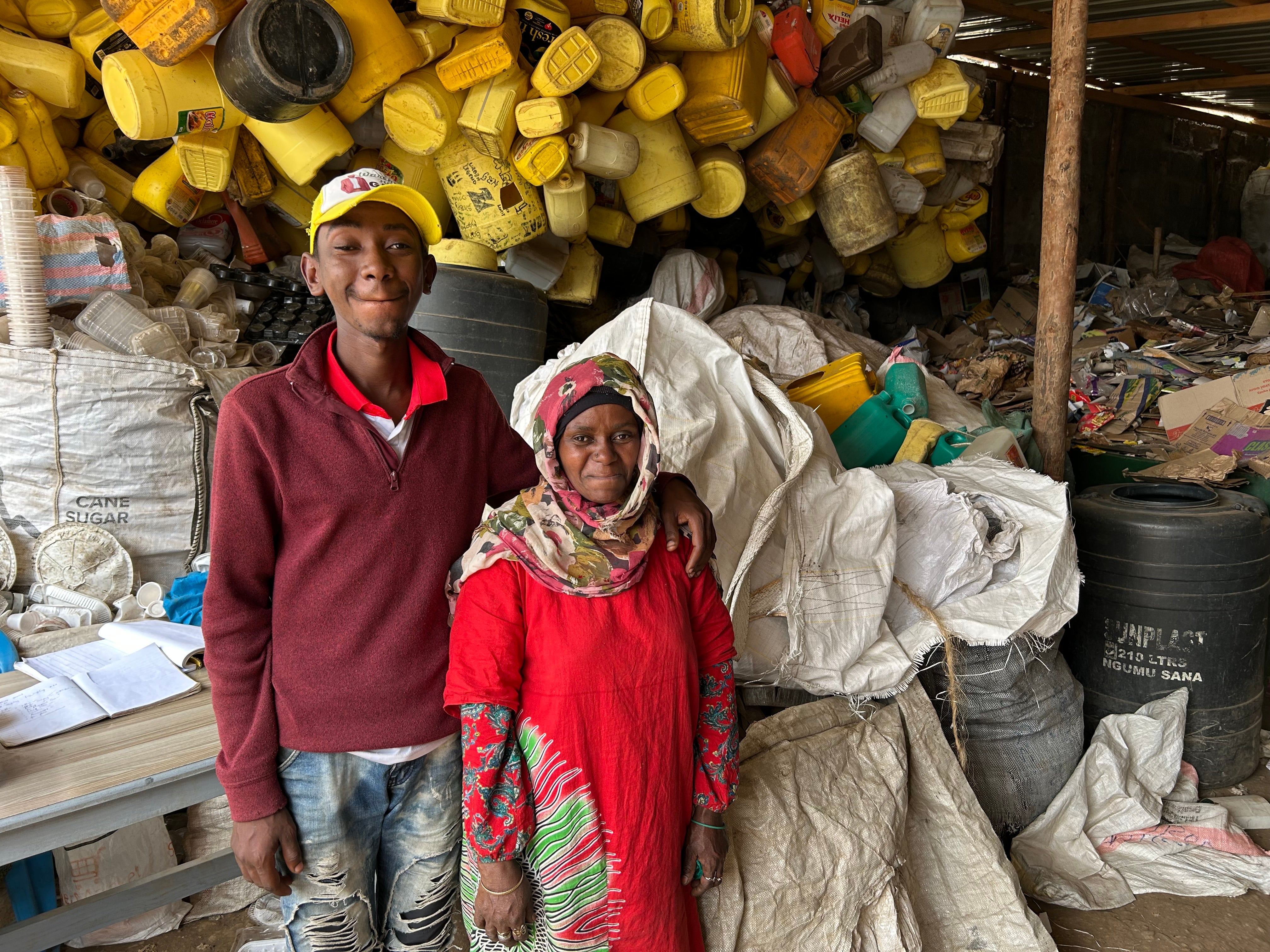
Naimuna has worked at the site for the past five years, where she collects plastic waste that she then sells to recycling companies. A single mother of three children, these days she works alongside her 24-year-old son Christopher.
“The temperatures are getting much higher than they used to be,” she continues. Such high heat is very difficult to work in, Maimuna says, and waste pickers are inevitably forced to take off protective gear like boots and overalls, making them even more prone to injury.
Ivan Ivanov, workplace health expert at the World Health Organisation (WHO), concurs that spending the whole day exposed to the hot sun poses significant health risks: “It can increase the risk of fainting, which is a physiological reaction to the body’s need to dissipate heat,” he says. “If you faint, you can fall, you can land on a sharp object, you can even die.” The risk of heat stroke also increases, while Nairobi’s high altitude increases exposure to dangerous Ultraviolet (UV) rays.
A recent joint report from the WHO and the World Meteorological Organisation warned that heat stress was already having a devastating impact on workers, and requires significant interventions from governments.
The other big challenge faced by Maimuna and Christopher has been the fact that economic hardships – which are partly driven by the accelerating impact of the climate crisis across the country – have led more and more people to come to the dumpsite to look for plastic to sell. “Nowadays, plastic is becoming rare, and people can be territorial,” she says. “Sometimes we are harassed, and sometimes men take our plastic.”
Another waste picker, 27-year-old Evalyne, reports similar challenges related to extreme weather. “The weather is so unpredictable now, it did not used to be like this” she says. “When it’s raining, we are no longer able to come because of the floods – and when it is hot, we take off our overalls so we are no longer protected.”
“I am not able to earn enough to meet all my family expenses,” she says, with there being too many workers and not enough plastic.
Excluded workers
Christy Braham, from Women in Informal Employment Globalising & Organising (WIEGO) adds that because, like 83 per cent of Kenyans, waste pickers are classified as “informal”, they are “de-facto excluded” from any occupational health and safety protections. The challenges are all set to become “significantly worse” with climate change, unless the government effectively implements health and safety policy.
The problems faced by the waste pickers of Dandora are not unique. There are an estimated 20 million waste pickers globally, a large share of whom live in climate-vulnerable countries where the impacts of extreme weather are being felt much more significantly than in the Global North. These waste pickers collectively gather an estimated 60 per cent of the plastic that is recycled globally – despite the fact that they will have contributed very little to the world’s plastic problem.

Unicef, which campaigns on the issue, told The Independent that child labour in the sector is extremely prevalent. Children as young as five are known to work in e-waste sorting, for example – and Unicef runs a number of programmes looking to outlaw unethical work practices and integrate informal waste pickers into the formal waste management system, including in South Africa and in Tanzania. But all such programmes are under threat as overseas aid cuts in wealthy countries expected in the coming years put pressure on funding streams.
“The UK government’s decision to cut the aid budget will put the lives and futures of millions of vulnerable children at risk,” says Lucy Gordon, head of international policy and advocacy at Unicef UK, who adds that the agency is lobbying the UK government to spend at least 25 per cent of the aid budget on children. “Extreme poverty, conflict and climate change mean the world’s children and their families need all of the support they can get.”

At Dandora, Copenhagen-based NGO the Danish Refugee Council is running a project in partnership with Kenya’s largest plastics recycling company, Mr Green Africa, which is supporting several thousand waste pickers at Dandora, as well as others working at refugee camps in the country. It formalises waste picking by providing protective equipment to the waste pickers, establishing a child daycare system and a health insurance scheme, as well as ensuring that Mr Green Africa pays a fair price for plastic, and does not accept anything that is brought by children. In return, Mr Green Africa has guaranteed suppliers to feed its recycling operation.
Visiting one of Mr Green Africa’s waste aggregation sites in Nairobi is to find huge mounds of plastics of all different kinds, from cooking oil cartons to rice sacks, all expertly excavated from the chaos of Dandora by hundreds of waste pickers. At the time of The Independent’s visit, one lady arrived with a sackful of hard yellow plastic cartons that was then weighed by material handler Daniel: 140 Kenyan Shillings (£0.80) for 4.1KG, representing three days of waste picking work.
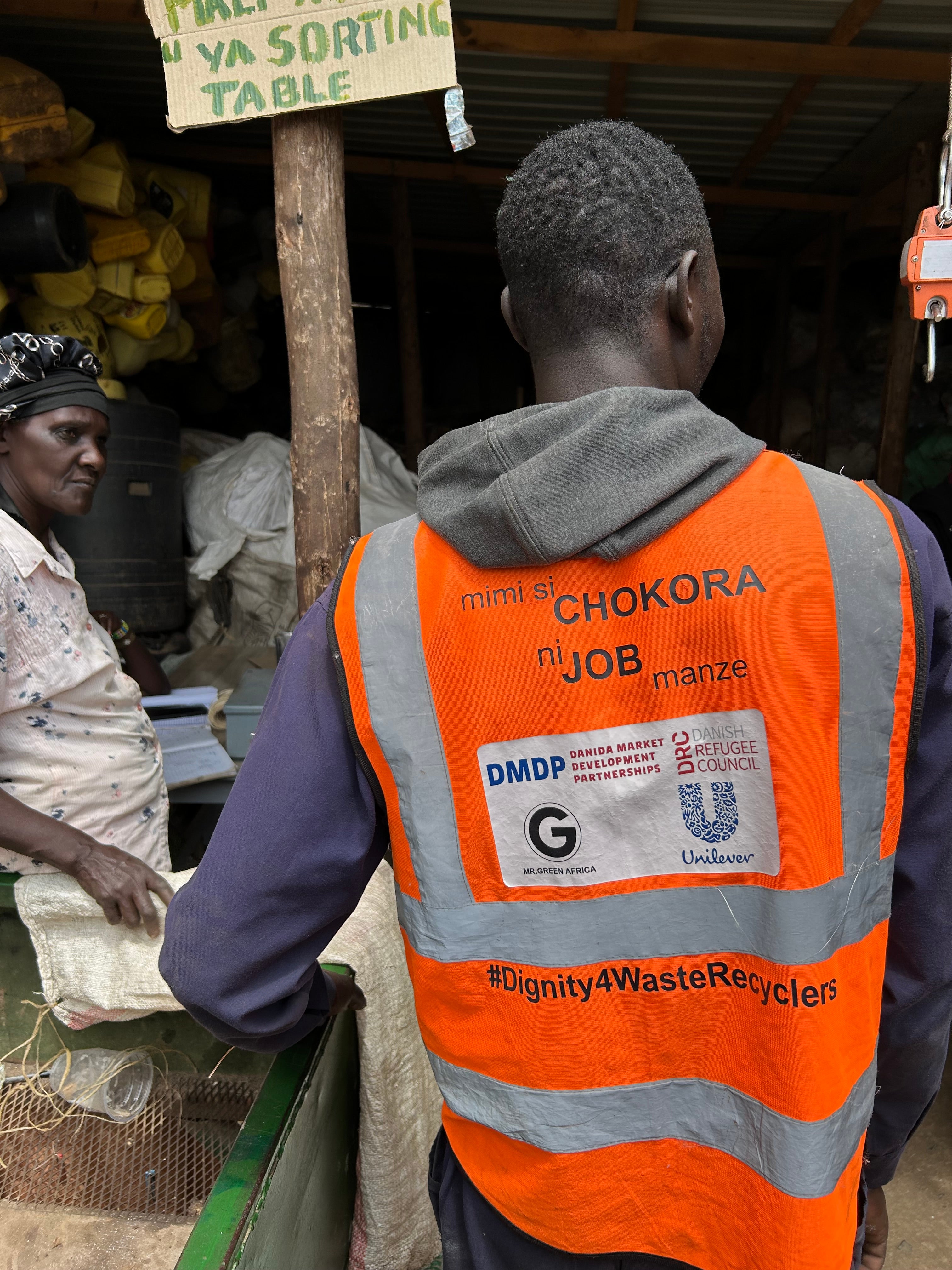
Despite the low wage and tough conditions, waste pickers at the site seem broadly happy with DRC’s intervention. “DRC trained us, showing us the value that different kinds of plastic have, and telling us that our children are not supposed to accompany us to the dumpsite,” says one waste picker, Priscilla. “We are earning more money now, and can walk around with more confidence”.
“People used to look at us and shout: ‘Look at that Chokora’ [a slur that refers to someone who scavanges through waste],” adds Virginia, the secretary of the waste aggregation site. “But now we have a new name. We are the child labour champions, and we are making our community green.”
According to Alistair Cowan, head of programmes at DRC Kenya, the kind of private sector partnership that the NGO’s work with Mr Green Africa will increasingly make sense in the era of aid cuts.
“The project from our end has now run its course, but the whole idea has been to build a private sector-led, sustainable system, which is why the systems we set up are still in place,” he says. Historically, private sector partnerships with aid agencies were just about outsourcing areas of work, he adds – but the aim here was to find a way of fitting the NGO’s ambitions in with the commercial aims of Mr Green Africa.
DRC believes that 4,000 waste pickers have been helped by the project, out of an estimated 46,000 waste pickers in the country. The project’s success means that DRC is now looking to expand by working with other waste companies – but there remains a sense that the problems around waste picking are fundamentally far bigger than any one organisation can handle.
“Of course what we are doing is a drop in the ocean compared to the total number of people picking plastic, and the total number of refugees, in the country,’ says DRC’s Joan Maitai, who led the first iteration of the recycling project.
After years of strong performance on development indicators, recent years have seen Kenya’s progress stuttering, driven by issues including the legacy of the Covid-19 pandemic, high levels of national debt and the aid cuts and extreme weather mentioned here. The number of people living at less than $3 per day in the country increased from 18 million in 2015 to 26 million in 2022, according to the World Bank.
Among waste pickers specifically, 86 per cent say that their economic situation has worsened significantly in recent years, according to the recent Nairobi Recyclable Waste Association survey, driven by increased competition for waste, low wages, and rising living costs, among other things.
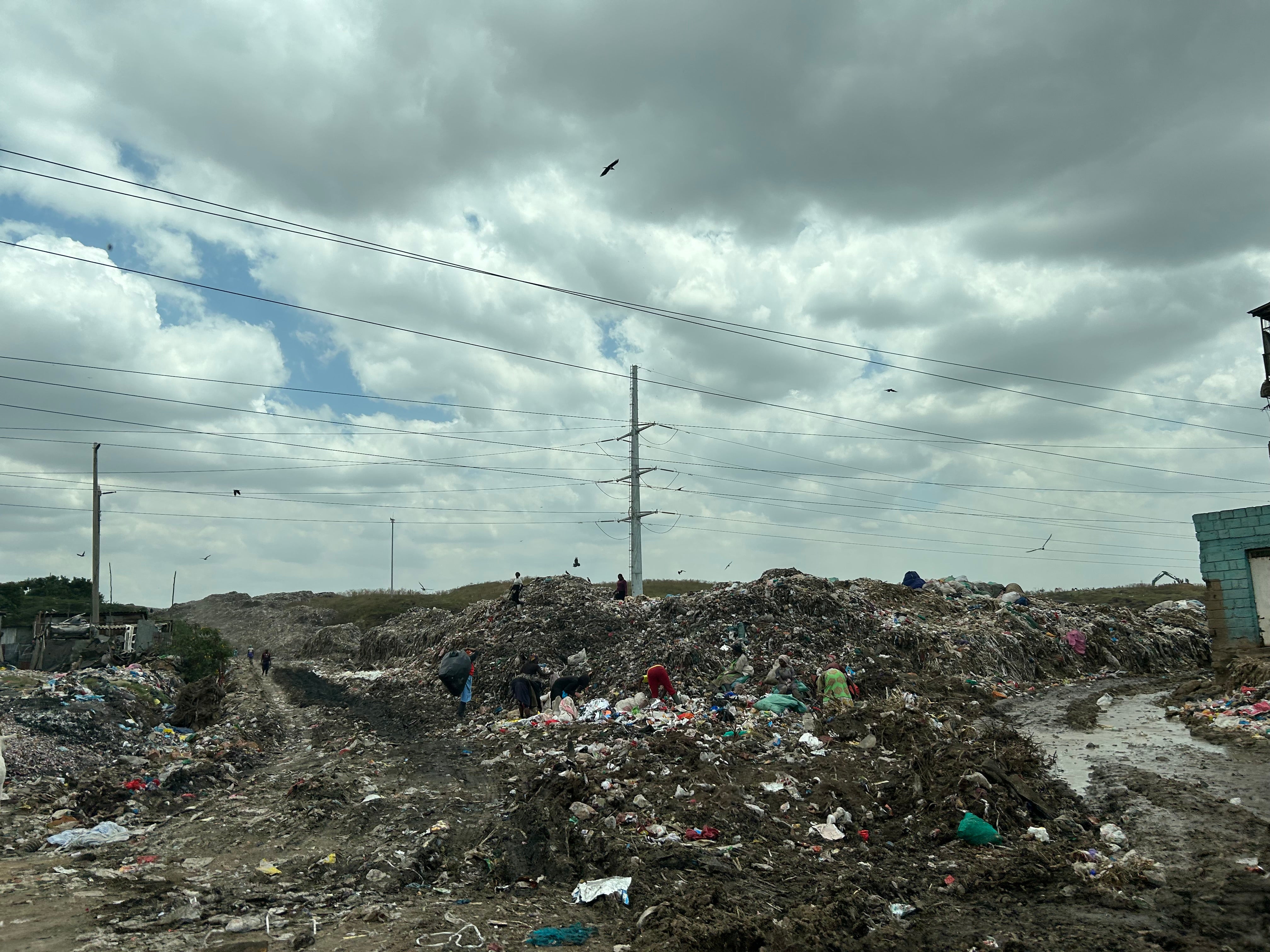
For Naimuna, the dump is still crucial, and that won’t change until there are more opportunities for other work. “I pray that we get more opportunities, especially to work,” she says. “I don’t want to be left behind.”
This article was produced as part of The Independent’s Rethinking Global Aid project


Discussion about this post