


The relentless beat of war drums within NATO gets louder by the day. Mark Rutte, the alliance’s secretary general, added to the noise by saying “we have to go further and faster” to expand Europe’s war machine.
With the US taking a step back and demanding more from across the Atlantic, the stakes could hardly be higher.
But defence spending rising to levels seen during the Cold War means less money for health, education, policing – stuff that really matters.
t means more moolah for the perennially dodgy revolving door in defence procurement, where former government officials and politicians take lucrative gigs with defence companies and overcharge the British taxpayer for lousy military equipment.
It puts strategic decisions in the hands of generals, admirals and air marshals, who often favour their own services over the national interest, and who made a bloody mess of Britain’s efforts in Iraq and Helmand, Afghanistan.
And if the 3.5 per cent of GDP target for defence spending that Nato believes is necessary is met, then we’re all going to get poorer because taxes will go up.
It’s all a terrible idea. But the alternatives are much, much worse.
Sir Keir Starmer has said that the UK will, he hopes, spend up to 3 per cent of its GDP on defence “to make Britain safer and stronger, a battle-ready, armour-clad nation with the strongest alliances and the most advanced capabilities”.
The British prime minister gets it. He knows that Britain, and the rest of Europe, alongside Canada, have relied on America taxpayers to fund the UK’s security for too many decades.
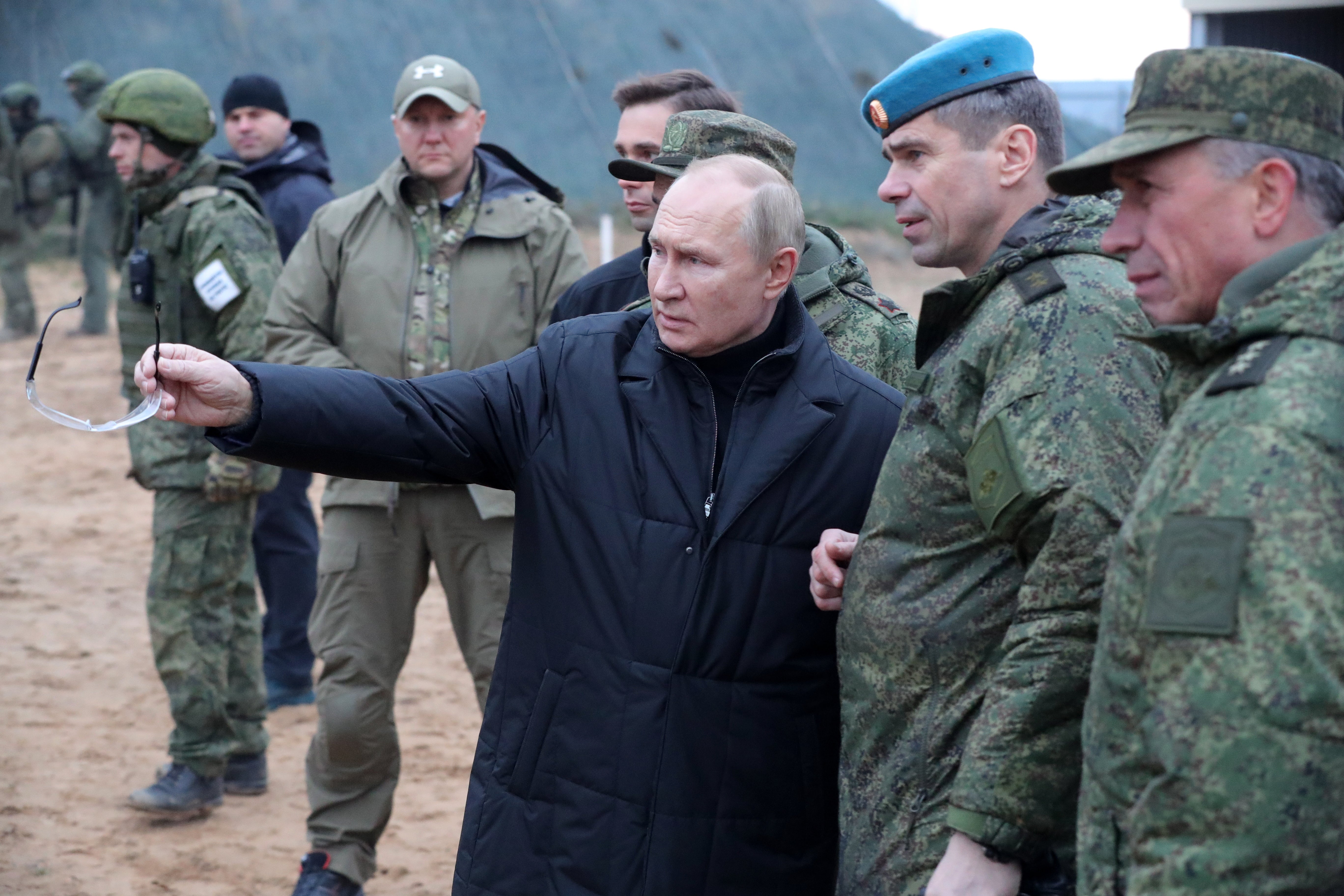
Now there is a clear and present danger from Russia. China is manoeuvering with guile but expanding its armed forces with terrifying energy, Islamic terror remains a problem (and will get worse because of Gaza).
Climate change is driving conflicts, literally, from here to Timbuktu, and well beyond. Competition for scarce resources on a planet that mankind has poisoned will intensify.
Starmer’s problem isn’t that he cannot see the strategic dangers, nor that he is shy of waving a red flag.
His problem, shared by politicians across Europe, with the exception of Poland and some of the frontline Baltic states, is that his constituents just don’t care.
And among younger voters, the attitudes to national defence are dire. Some 41 per cent of those aged between 18 and 27 polled by The Times earlier this year said that there were no circumstances under which they would fight for their country.
Idealistic young people are the lifeblood of democracy. That 48 per cent thought that the UK was a racist nation is damning – but a sign that they’ll do something to correct this shameful stupidity.
But refusing to fight to protect the freedoms that democracy brings is a decadent complacency that enemies like Russia and China are counting on. And they are enemies, not rivals. They want our stuff, our capital, our farmland and gold with as much energy and avarice as the British harnessed to create their empire.
“We’ve unforgivably… launched a set of wars of choice, which have imposed sacrifice needlessly on young people and there’s great cynicism about this idea of collective effort to defend your country,” Sir Alex Younger, former head of MI6 told Independent TV.
“I think we’re more comfortable thinking about the army as like the England football team; they go and do their thing over there and we watch it on telly – and that can’t happen anymore,” he warned.
Sir Alex has children of fighting age.
So do I. The idea that my son and daughter, and their friends, could be called up to fight Russia banishes sleep.
If they were Ukrainian, many of the kind, clever, thoughtful and progressive young people that surround my children would now be dead.
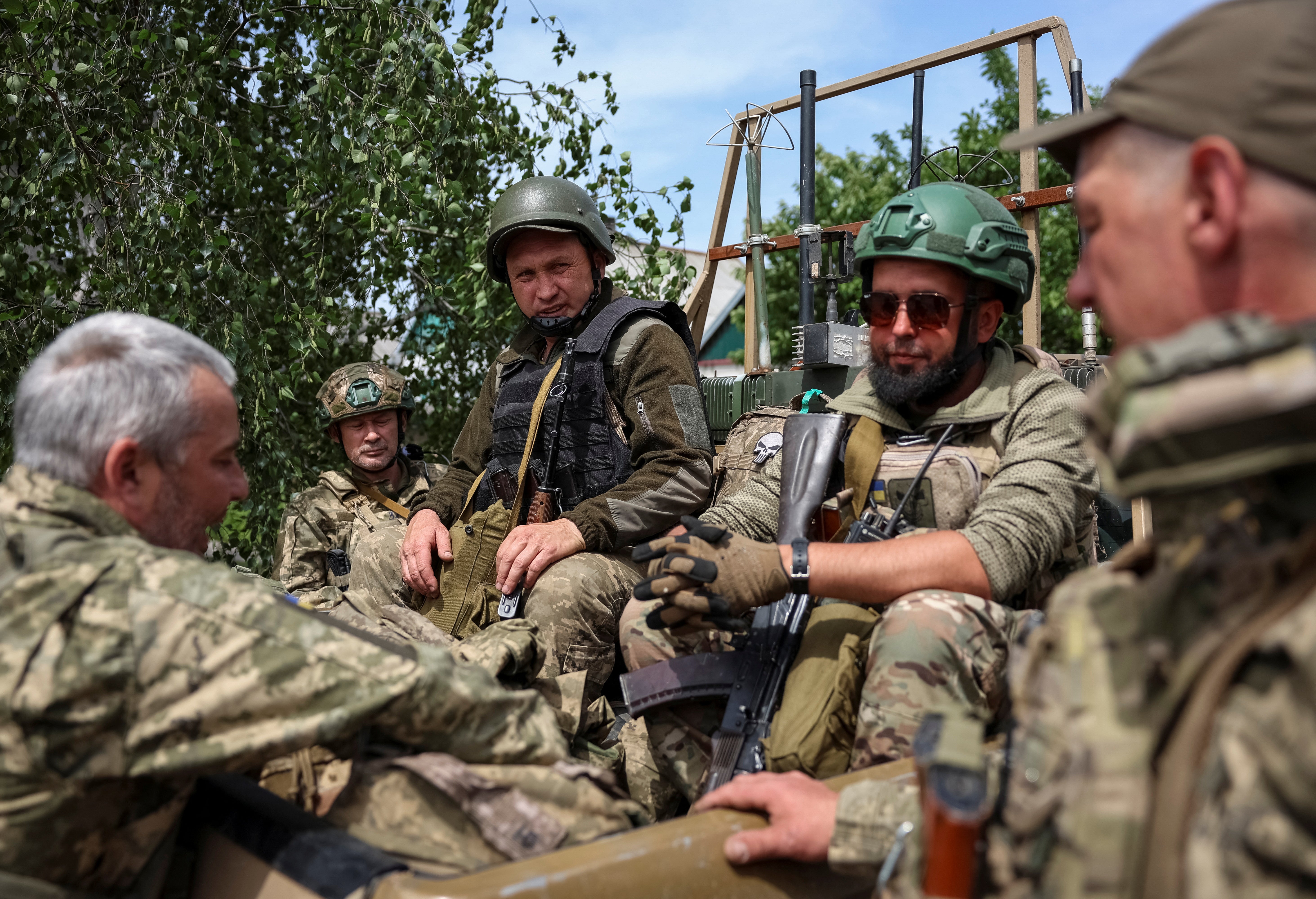
Ukraine has sought to protect Gen Z from the worst of the war by recruiting the old folks first. For the last two or three years the average age of a frontline soldier has been 43. In Vietnam, the average dead GI was around 20.
But many of the patriotic young, those who held back the Russian advance in the early days of the full-scale invasion in 2022, who joined reconnaissance units and stopped Russian columns in their tracks with extraordinary daring, are now dead.
“We’re dying to protect your democracy,” a former computer programmer with the call sign “Grumpy”, told me in Kharkiv last year. He was one of those recce soldiers who took on Putin’s columns as part of a self-motivating unit in borrowed pickup trucks.
He stole a Russian T-80 tank, used it to destroy 14 other armoured vehicles in one night, fought in Bakhmut’s “meat grinder” engagements, and was shot through the thigh. He now leads the development of drones in the new age of warfare.
Grumpy is the sort of warrior that young people enjoy pretending to be in video games and nostalgic tales of SAS daring-do from the Second World War.
Poland is on track to spend 4.7 per cent of its GDP on defence and is expanding its armed forces and at least 70 per cent of Poles support this effort. Finland, with its long border with Russia and (like Poland) memory of what Russian troops have done in the past, makes all males serve between six and 12 months in the military.
Britain, meanwhile, is failing to even meet the tiny target of 73,000 men and women to serve in the army. The total number of UK armed forces is around 182,000. That’s about 20,000 less than the US Marine Corps.
Britain may have its problems. It is a deeply flawed nation with an inadequate democracy, hung up on class, infected by imperial nostalgia and falls short of what it could be in too many ways.
But it does have freedom. Putin’s Russia, Xi’s China, extremist Muslims, and the nationalistic far-right Christians of America don’t like or respect democracy and the liberties it guarantees.
Like democracy itself, more defence spending is the least bad option Britain has.
The relentless beat of war drums within NATO gets louder by the day. Mark Rutte, the alliance’s secretary general, added to the noise by saying “we have to go further and faster” to expand Europe’s war machine.
With the US taking a step back and demanding more from across the Atlantic, the stakes could hardly be higher.
But defence spending rising to levels seen during the Cold War means less money for health, education, policing – stuff that really matters.
t means more moolah for the perennially dodgy revolving door in defence procurement, where former government officials and politicians take lucrative gigs with defence companies and overcharge the British taxpayer for lousy military equipment.
It puts strategic decisions in the hands of generals, admirals and air marshals, who often favour their own services over the national interest, and who made a bloody mess of Britain’s efforts in Iraq and Helmand, Afghanistan.
And if the 3.5 per cent of GDP target for defence spending that Nato believes is necessary is met, then we’re all going to get poorer because taxes will go up.
It’s all a terrible idea. But the alternatives are much, much worse.
Sir Keir Starmer has said that the UK will, he hopes, spend up to 3 per cent of its GDP on defence “to make Britain safer and stronger, a battle-ready, armour-clad nation with the strongest alliances and the most advanced capabilities”.
The British prime minister gets it. He knows that Britain, and the rest of Europe, alongside Canada, have relied on America taxpayers to fund the UK’s security for too many decades.
Now there is a clear and present danger from Russia. China is manoeuvering with guile but expanding its armed forces with terrifying energy, Islamic terror remains a problem (and will get worse because of Gaza).
Climate change is driving conflicts, literally, from here to Timbuktu, and well beyond. Competition for scarce resources on a planet that mankind has poisoned will intensify.
Starmer’s problem isn’t that he cannot see the strategic dangers, nor that he is shy of waving a red flag.
His problem, shared by politicians across Europe, with the exception of Poland and some of the frontline Baltic states, is that his constituents just don’t care.
And among younger voters, the attitudes to national defence are dire. Some 41 per cent of those aged between 18 and 27 polled by The Times earlier this year said that there were no circumstances under which they would fight for their country.
Idealistic young people are the lifeblood of democracy. That 48 per cent thought that the UK was a racist nation is damning – but a sign that they’ll do something to correct this shameful stupidity.
But refusing to fight to protect the freedoms that democracy brings is a decadent complacency that enemies like Russia and China are counting on. And they are enemies, not rivals. They want our stuff, our capital, our farmland and gold with as much energy and avarice as the British harnessed to create their empire.
“We’ve unforgivably… launched a set of wars of choice, which have imposed sacrifice needlessly on young people and there’s great cynicism about this idea of collective effort to defend your country,” Sir Alex Younger, former head of MI6 told Independent TV.
“I think we’re more comfortable thinking about the army as like the England football team; they go and do their thing over there and we watch it on telly – and that can’t happen anymore,” he warned.
Sir Alex has children of fighting age.
So do I. The idea that my son and daughter, and their friends, could be called up to fight Russia banishes sleep.
If they were Ukrainian, many of the kind, clever, thoughtful and progressive young people that surround my children would now be dead.
Ukraine has sought to protect Gen Z from the worst of the war by recruiting the old folks first. For the last two or three years the average age of a frontline soldier has been 43. In Vietnam, the average dead GI was around 20.
But many of the patriotic young, those who held back the Russian advance in the early days of the full-scale invasion in 2022, who joined reconnaissance units and stopped Russian columns in their tracks with extraordinary daring, are now dead.
“We’re dying to protect your democracy,” a former computer programmer with the call sign “Grumpy”, told me in Kharkiv last year. He was one of those recce soldiers who took on Putin’s columns as part of a self-motivating unit in borrowed pickup trucks.
He stole a Russian T-80 tank, used it to destroy 14 other armoured vehicles in one night, fought in Bakhmut’s “meat grinder” engagements, and was shot through the thigh. He now leads the development of drones in the new age of warfare.
Grumpy is the sort of warrior that young people enjoy pretending to be in video games and nostalgic tales of SAS daring-do from the Second World War.
Poland is on track to spend 4.7 per cent of its GDP on defence and is expanding its armed forces and at least 70 per cent of Poles support this effort. Finland, with its long border with Russia and (like Poland) memory of what Russian troops have done in the past, makes all males serve between six and 12 months in the military.
Britain, meanwhile, is failing to even meet the tiny target of 73,000 men and women to serve in the army. The total number of UK armed forces is around 182,000. That’s about 20,000 less than the US Marine Corps.
Britain may have its problems. It is a deeply flawed nation with an inadequate democracy, hung up on class, infected by imperial nostalgia and falls short of what it could be in too many ways.
But it does have freedom. Putin’s Russia, Xi’s China, extremist Muslims, and the nationalistic far-right Christians of America don’t like or respect democracy and the liberties it guarantees.
Like democracy itself, more defence spending is the least bad option Britain has.
The relentless beat of war drums within NATO gets louder by the day. Mark Rutte, the alliance’s secretary general, added to the noise by saying “we have to go further and faster” to expand Europe’s war machine.
With the US taking a step back and demanding more from across the Atlantic, the stakes could hardly be higher.
But defence spending rising to levels seen during the Cold War means less money for health, education, policing – stuff that really matters.
t means more moolah for the perennially dodgy revolving door in defence procurement, where former government officials and politicians take lucrative gigs with defence companies and overcharge the British taxpayer for lousy military equipment.
It puts strategic decisions in the hands of generals, admirals and air marshals, who often favour their own services over the national interest, and who made a bloody mess of Britain’s efforts in Iraq and Helmand, Afghanistan.
And if the 3.5 per cent of GDP target for defence spending that Nato believes is necessary is met, then we’re all going to get poorer because taxes will go up.
It’s all a terrible idea. But the alternatives are much, much worse.
Sir Keir Starmer has said that the UK will, he hopes, spend up to 3 per cent of its GDP on defence “to make Britain safer and stronger, a battle-ready, armour-clad nation with the strongest alliances and the most advanced capabilities”.
The British prime minister gets it. He knows that Britain, and the rest of Europe, alongside Canada, have relied on America taxpayers to fund the UK’s security for too many decades.
Now there is a clear and present danger from Russia. China is manoeuvering with guile but expanding its armed forces with terrifying energy, Islamic terror remains a problem (and will get worse because of Gaza).
Climate change is driving conflicts, literally, from here to Timbuktu, and well beyond. Competition for scarce resources on a planet that mankind has poisoned will intensify.
Starmer’s problem isn’t that he cannot see the strategic dangers, nor that he is shy of waving a red flag.
His problem, shared by politicians across Europe, with the exception of Poland and some of the frontline Baltic states, is that his constituents just don’t care.
And among younger voters, the attitudes to national defence are dire. Some 41 per cent of those aged between 18 and 27 polled by The Times earlier this year said that there were no circumstances under which they would fight for their country.
Idealistic young people are the lifeblood of democracy. That 48 per cent thought that the UK was a racist nation is damning – but a sign that they’ll do something to correct this shameful stupidity.
But refusing to fight to protect the freedoms that democracy brings is a decadent complacency that enemies like Russia and China are counting on. And they are enemies, not rivals. They want our stuff, our capital, our farmland and gold with as much energy and avarice as the British harnessed to create their empire.
“We’ve unforgivably… launched a set of wars of choice, which have imposed sacrifice needlessly on young people and there’s great cynicism about this idea of collective effort to defend your country,” Sir Alex Younger, former head of MI6 told Independent TV.
“I think we’re more comfortable thinking about the army as like the England football team; they go and do their thing over there and we watch it on telly – and that can’t happen anymore,” he warned.
Sir Alex has children of fighting age.
So do I. The idea that my son and daughter, and their friends, could be called up to fight Russia banishes sleep.
If they were Ukrainian, many of the kind, clever, thoughtful and progressive young people that surround my children would now be dead.
Ukraine has sought to protect Gen Z from the worst of the war by recruiting the old folks first. For the last two or three years the average age of a frontline soldier has been 43. In Vietnam, the average dead GI was around 20.
But many of the patriotic young, those who held back the Russian advance in the early days of the full-scale invasion in 2022, who joined reconnaissance units and stopped Russian columns in their tracks with extraordinary daring, are now dead.
“We’re dying to protect your democracy,” a former computer programmer with the call sign “Grumpy”, told me in Kharkiv last year. He was one of those recce soldiers who took on Putin’s columns as part of a self-motivating unit in borrowed pickup trucks.
He stole a Russian T-80 tank, used it to destroy 14 other armoured vehicles in one night, fought in Bakhmut’s “meat grinder” engagements, and was shot through the thigh. He now leads the development of drones in the new age of warfare.
Grumpy is the sort of warrior that young people enjoy pretending to be in video games and nostalgic tales of SAS daring-do from the Second World War.
Poland is on track to spend 4.7 per cent of its GDP on defence and is expanding its armed forces and at least 70 per cent of Poles support this effort. Finland, with its long border with Russia and (like Poland) memory of what Russian troops have done in the past, makes all males serve between six and 12 months in the military.
Britain, meanwhile, is failing to even meet the tiny target of 73,000 men and women to serve in the army. The total number of UK armed forces is around 182,000. That’s about 20,000 less than the US Marine Corps.
Britain may have its problems. It is a deeply flawed nation with an inadequate democracy, hung up on class, infected by imperial nostalgia and falls short of what it could be in too many ways.
But it does have freedom. Putin’s Russia, Xi’s China, extremist Muslims, and the nationalistic far-right Christians of America don’t like or respect democracy and the liberties it guarantees.
Like democracy itself, more defence spending is the least bad option Britain has.
The relentless beat of war drums within NATO gets louder by the day. Mark Rutte, the alliance’s secretary general, added to the noise by saying “we have to go further and faster” to expand Europe’s war machine.
With the US taking a step back and demanding more from across the Atlantic, the stakes could hardly be higher.
But defence spending rising to levels seen during the Cold War means less money for health, education, policing – stuff that really matters.
t means more moolah for the perennially dodgy revolving door in defence procurement, where former government officials and politicians take lucrative gigs with defence companies and overcharge the British taxpayer for lousy military equipment.
It puts strategic decisions in the hands of generals, admirals and air marshals, who often favour their own services over the national interest, and who made a bloody mess of Britain’s efforts in Iraq and Helmand, Afghanistan.
And if the 3.5 per cent of GDP target for defence spending that Nato believes is necessary is met, then we’re all going to get poorer because taxes will go up.
It’s all a terrible idea. But the alternatives are much, much worse.
Sir Keir Starmer has said that the UK will, he hopes, spend up to 3 per cent of its GDP on defence “to make Britain safer and stronger, a battle-ready, armour-clad nation with the strongest alliances and the most advanced capabilities”.
The British prime minister gets it. He knows that Britain, and the rest of Europe, alongside Canada, have relied on America taxpayers to fund the UK’s security for too many decades.
Now there is a clear and present danger from Russia. China is manoeuvering with guile but expanding its armed forces with terrifying energy, Islamic terror remains a problem (and will get worse because of Gaza).
Climate change is driving conflicts, literally, from here to Timbuktu, and well beyond. Competition for scarce resources on a planet that mankind has poisoned will intensify.
Starmer’s problem isn’t that he cannot see the strategic dangers, nor that he is shy of waving a red flag.
His problem, shared by politicians across Europe, with the exception of Poland and some of the frontline Baltic states, is that his constituents just don’t care.
And among younger voters, the attitudes to national defence are dire. Some 41 per cent of those aged between 18 and 27 polled by The Times earlier this year said that there were no circumstances under which they would fight for their country.
Idealistic young people are the lifeblood of democracy. That 48 per cent thought that the UK was a racist nation is damning – but a sign that they’ll do something to correct this shameful stupidity.
But refusing to fight to protect the freedoms that democracy brings is a decadent complacency that enemies like Russia and China are counting on. And they are enemies, not rivals. They want our stuff, our capital, our farmland and gold with as much energy and avarice as the British harnessed to create their empire.
“We’ve unforgivably… launched a set of wars of choice, which have imposed sacrifice needlessly on young people and there’s great cynicism about this idea of collective effort to defend your country,” Sir Alex Younger, former head of MI6 told Independent TV.
“I think we’re more comfortable thinking about the army as like the England football team; they go and do their thing over there and we watch it on telly – and that can’t happen anymore,” he warned.
Sir Alex has children of fighting age.
So do I. The idea that my son and daughter, and their friends, could be called up to fight Russia banishes sleep.
If they were Ukrainian, many of the kind, clever, thoughtful and progressive young people that surround my children would now be dead.
Ukraine has sought to protect Gen Z from the worst of the war by recruiting the old folks first. For the last two or three years the average age of a frontline soldier has been 43. In Vietnam, the average dead GI was around 20.
But many of the patriotic young, those who held back the Russian advance in the early days of the full-scale invasion in 2022, who joined reconnaissance units and stopped Russian columns in their tracks with extraordinary daring, are now dead.
“We’re dying to protect your democracy,” a former computer programmer with the call sign “Grumpy”, told me in Kharkiv last year. He was one of those recce soldiers who took on Putin’s columns as part of a self-motivating unit in borrowed pickup trucks.
He stole a Russian T-80 tank, used it to destroy 14 other armoured vehicles in one night, fought in Bakhmut’s “meat grinder” engagements, and was shot through the thigh. He now leads the development of drones in the new age of warfare.
Grumpy is the sort of warrior that young people enjoy pretending to be in video games and nostalgic tales of SAS daring-do from the Second World War.
Poland is on track to spend 4.7 per cent of its GDP on defence and is expanding its armed forces and at least 70 per cent of Poles support this effort. Finland, with its long border with Russia and (like Poland) memory of what Russian troops have done in the past, makes all males serve between six and 12 months in the military.
Britain, meanwhile, is failing to even meet the tiny target of 73,000 men and women to serve in the army. The total number of UK armed forces is around 182,000. That’s about 20,000 less than the US Marine Corps.
Britain may have its problems. It is a deeply flawed nation with an inadequate democracy, hung up on class, infected by imperial nostalgia and falls short of what it could be in too many ways.
But it does have freedom. Putin’s Russia, Xi’s China, extremist Muslims, and the nationalistic far-right Christians of America don’t like or respect democracy and the liberties it guarantees.
Like democracy itself, more defence spending is the least bad option Britain has.
The relentless beat of war drums within NATO gets louder by the day. Mark Rutte, the alliance’s secretary general, added to the noise by saying “we have to go further and faster” to expand Europe’s war machine.
With the US taking a step back and demanding more from across the Atlantic, the stakes could hardly be higher.
But defence spending rising to levels seen during the Cold War means less money for health, education, policing – stuff that really matters.
t means more moolah for the perennially dodgy revolving door in defence procurement, where former government officials and politicians take lucrative gigs with defence companies and overcharge the British taxpayer for lousy military equipment.
It puts strategic decisions in the hands of generals, admirals and air marshals, who often favour their own services over the national interest, and who made a bloody mess of Britain’s efforts in Iraq and Helmand, Afghanistan.
And if the 3.5 per cent of GDP target for defence spending that Nato believes is necessary is met, then we’re all going to get poorer because taxes will go up.
It’s all a terrible idea. But the alternatives are much, much worse.
Sir Keir Starmer has said that the UK will, he hopes, spend up to 3 per cent of its GDP on defence “to make Britain safer and stronger, a battle-ready, armour-clad nation with the strongest alliances and the most advanced capabilities”.
The British prime minister gets it. He knows that Britain, and the rest of Europe, alongside Canada, have relied on America taxpayers to fund the UK’s security for too many decades.
Now there is a clear and present danger from Russia. China is manoeuvering with guile but expanding its armed forces with terrifying energy, Islamic terror remains a problem (and will get worse because of Gaza).
Climate change is driving conflicts, literally, from here to Timbuktu, and well beyond. Competition for scarce resources on a planet that mankind has poisoned will intensify.
Starmer’s problem isn’t that he cannot see the strategic dangers, nor that he is shy of waving a red flag.
His problem, shared by politicians across Europe, with the exception of Poland and some of the frontline Baltic states, is that his constituents just don’t care.
And among younger voters, the attitudes to national defence are dire. Some 41 per cent of those aged between 18 and 27 polled by The Times earlier this year said that there were no circumstances under which they would fight for their country.
Idealistic young people are the lifeblood of democracy. That 48 per cent thought that the UK was a racist nation is damning – but a sign that they’ll do something to correct this shameful stupidity.
But refusing to fight to protect the freedoms that democracy brings is a decadent complacency that enemies like Russia and China are counting on. And they are enemies, not rivals. They want our stuff, our capital, our farmland and gold with as much energy and avarice as the British harnessed to create their empire.
“We’ve unforgivably… launched a set of wars of choice, which have imposed sacrifice needlessly on young people and there’s great cynicism about this idea of collective effort to defend your country,” Sir Alex Younger, former head of MI6 told Independent TV.
“I think we’re more comfortable thinking about the army as like the England football team; they go and do their thing over there and we watch it on telly – and that can’t happen anymore,” he warned.
Sir Alex has children of fighting age.
So do I. The idea that my son and daughter, and their friends, could be called up to fight Russia banishes sleep.
If they were Ukrainian, many of the kind, clever, thoughtful and progressive young people that surround my children would now be dead.
Ukraine has sought to protect Gen Z from the worst of the war by recruiting the old folks first. For the last two or three years the average age of a frontline soldier has been 43. In Vietnam, the average dead GI was around 20.
But many of the patriotic young, those who held back the Russian advance in the early days of the full-scale invasion in 2022, who joined reconnaissance units and stopped Russian columns in their tracks with extraordinary daring, are now dead.
“We’re dying to protect your democracy,” a former computer programmer with the call sign “Grumpy”, told me in Kharkiv last year. He was one of those recce soldiers who took on Putin’s columns as part of a self-motivating unit in borrowed pickup trucks.
He stole a Russian T-80 tank, used it to destroy 14 other armoured vehicles in one night, fought in Bakhmut’s “meat grinder” engagements, and was shot through the thigh. He now leads the development of drones in the new age of warfare.
Grumpy is the sort of warrior that young people enjoy pretending to be in video games and nostalgic tales of SAS daring-do from the Second World War.
Poland is on track to spend 4.7 per cent of its GDP on defence and is expanding its armed forces and at least 70 per cent of Poles support this effort. Finland, with its long border with Russia and (like Poland) memory of what Russian troops have done in the past, makes all males serve between six and 12 months in the military.
Britain, meanwhile, is failing to even meet the tiny target of 73,000 men and women to serve in the army. The total number of UK armed forces is around 182,000. That’s about 20,000 less than the US Marine Corps.
Britain may have its problems. It is a deeply flawed nation with an inadequate democracy, hung up on class, infected by imperial nostalgia and falls short of what it could be in too many ways.
But it does have freedom. Putin’s Russia, Xi’s China, extremist Muslims, and the nationalistic far-right Christians of America don’t like or respect democracy and the liberties it guarantees.
Like democracy itself, more defence spending is the least bad option Britain has.
The relentless beat of war drums within NATO gets louder by the day. Mark Rutte, the alliance’s secretary general, added to the noise by saying “we have to go further and faster” to expand Europe’s war machine.
With the US taking a step back and demanding more from across the Atlantic, the stakes could hardly be higher.
But defence spending rising to levels seen during the Cold War means less money for health, education, policing – stuff that really matters.
t means more moolah for the perennially dodgy revolving door in defence procurement, where former government officials and politicians take lucrative gigs with defence companies and overcharge the British taxpayer for lousy military equipment.
It puts strategic decisions in the hands of generals, admirals and air marshals, who often favour their own services over the national interest, and who made a bloody mess of Britain’s efforts in Iraq and Helmand, Afghanistan.
And if the 3.5 per cent of GDP target for defence spending that Nato believes is necessary is met, then we’re all going to get poorer because taxes will go up.
It’s all a terrible idea. But the alternatives are much, much worse.
Sir Keir Starmer has said that the UK will, he hopes, spend up to 3 per cent of its GDP on defence “to make Britain safer and stronger, a battle-ready, armour-clad nation with the strongest alliances and the most advanced capabilities”.
The British prime minister gets it. He knows that Britain, and the rest of Europe, alongside Canada, have relied on America taxpayers to fund the UK’s security for too many decades.
Now there is a clear and present danger from Russia. China is manoeuvering with guile but expanding its armed forces with terrifying energy, Islamic terror remains a problem (and will get worse because of Gaza).
Climate change is driving conflicts, literally, from here to Timbuktu, and well beyond. Competition for scarce resources on a planet that mankind has poisoned will intensify.
Starmer’s problem isn’t that he cannot see the strategic dangers, nor that he is shy of waving a red flag.
His problem, shared by politicians across Europe, with the exception of Poland and some of the frontline Baltic states, is that his constituents just don’t care.
And among younger voters, the attitudes to national defence are dire. Some 41 per cent of those aged between 18 and 27 polled by The Times earlier this year said that there were no circumstances under which they would fight for their country.
Idealistic young people are the lifeblood of democracy. That 48 per cent thought that the UK was a racist nation is damning – but a sign that they’ll do something to correct this shameful stupidity.
But refusing to fight to protect the freedoms that democracy brings is a decadent complacency that enemies like Russia and China are counting on. And they are enemies, not rivals. They want our stuff, our capital, our farmland and gold with as much energy and avarice as the British harnessed to create their empire.
“We’ve unforgivably… launched a set of wars of choice, which have imposed sacrifice needlessly on young people and there’s great cynicism about this idea of collective effort to defend your country,” Sir Alex Younger, former head of MI6 told Independent TV.
“I think we’re more comfortable thinking about the army as like the England football team; they go and do their thing over there and we watch it on telly – and that can’t happen anymore,” he warned.
Sir Alex has children of fighting age.
So do I. The idea that my son and daughter, and their friends, could be called up to fight Russia banishes sleep.
If they were Ukrainian, many of the kind, clever, thoughtful and progressive young people that surround my children would now be dead.
Ukraine has sought to protect Gen Z from the worst of the war by recruiting the old folks first. For the last two or three years the average age of a frontline soldier has been 43. In Vietnam, the average dead GI was around 20.
But many of the patriotic young, those who held back the Russian advance in the early days of the full-scale invasion in 2022, who joined reconnaissance units and stopped Russian columns in their tracks with extraordinary daring, are now dead.
“We’re dying to protect your democracy,” a former computer programmer with the call sign “Grumpy”, told me in Kharkiv last year. He was one of those recce soldiers who took on Putin’s columns as part of a self-motivating unit in borrowed pickup trucks.
He stole a Russian T-80 tank, used it to destroy 14 other armoured vehicles in one night, fought in Bakhmut’s “meat grinder” engagements, and was shot through the thigh. He now leads the development of drones in the new age of warfare.
Grumpy is the sort of warrior that young people enjoy pretending to be in video games and nostalgic tales of SAS daring-do from the Second World War.
Poland is on track to spend 4.7 per cent of its GDP on defence and is expanding its armed forces and at least 70 per cent of Poles support this effort. Finland, with its long border with Russia and (like Poland) memory of what Russian troops have done in the past, makes all males serve between six and 12 months in the military.
Britain, meanwhile, is failing to even meet the tiny target of 73,000 men and women to serve in the army. The total number of UK armed forces is around 182,000. That’s about 20,000 less than the US Marine Corps.
Britain may have its problems. It is a deeply flawed nation with an inadequate democracy, hung up on class, infected by imperial nostalgia and falls short of what it could be in too many ways.
But it does have freedom. Putin’s Russia, Xi’s China, extremist Muslims, and the nationalistic far-right Christians of America don’t like or respect democracy and the liberties it guarantees.
Like democracy itself, more defence spending is the least bad option Britain has.
The relentless beat of war drums within NATO gets louder by the day. Mark Rutte, the alliance’s secretary general, added to the noise by saying “we have to go further and faster” to expand Europe’s war machine.
With the US taking a step back and demanding more from across the Atlantic, the stakes could hardly be higher.
But defence spending rising to levels seen during the Cold War means less money for health, education, policing – stuff that really matters.
t means more moolah for the perennially dodgy revolving door in defence procurement, where former government officials and politicians take lucrative gigs with defence companies and overcharge the British taxpayer for lousy military equipment.
It puts strategic decisions in the hands of generals, admirals and air marshals, who often favour their own services over the national interest, and who made a bloody mess of Britain’s efforts in Iraq and Helmand, Afghanistan.
And if the 3.5 per cent of GDP target for defence spending that Nato believes is necessary is met, then we’re all going to get poorer because taxes will go up.
It’s all a terrible idea. But the alternatives are much, much worse.
Sir Keir Starmer has said that the UK will, he hopes, spend up to 3 per cent of its GDP on defence “to make Britain safer and stronger, a battle-ready, armour-clad nation with the strongest alliances and the most advanced capabilities”.
The British prime minister gets it. He knows that Britain, and the rest of Europe, alongside Canada, have relied on America taxpayers to fund the UK’s security for too many decades.
Now there is a clear and present danger from Russia. China is manoeuvering with guile but expanding its armed forces with terrifying energy, Islamic terror remains a problem (and will get worse because of Gaza).
Climate change is driving conflicts, literally, from here to Timbuktu, and well beyond. Competition for scarce resources on a planet that mankind has poisoned will intensify.
Starmer’s problem isn’t that he cannot see the strategic dangers, nor that he is shy of waving a red flag.
His problem, shared by politicians across Europe, with the exception of Poland and some of the frontline Baltic states, is that his constituents just don’t care.
And among younger voters, the attitudes to national defence are dire. Some 41 per cent of those aged between 18 and 27 polled by The Times earlier this year said that there were no circumstances under which they would fight for their country.
Idealistic young people are the lifeblood of democracy. That 48 per cent thought that the UK was a racist nation is damning – but a sign that they’ll do something to correct this shameful stupidity.
But refusing to fight to protect the freedoms that democracy brings is a decadent complacency that enemies like Russia and China are counting on. And they are enemies, not rivals. They want our stuff, our capital, our farmland and gold with as much energy and avarice as the British harnessed to create their empire.
“We’ve unforgivably… launched a set of wars of choice, which have imposed sacrifice needlessly on young people and there’s great cynicism about this idea of collective effort to defend your country,” Sir Alex Younger, former head of MI6 told Independent TV.
“I think we’re more comfortable thinking about the army as like the England football team; they go and do their thing over there and we watch it on telly – and that can’t happen anymore,” he warned.
Sir Alex has children of fighting age.
So do I. The idea that my son and daughter, and their friends, could be called up to fight Russia banishes sleep.
If they were Ukrainian, many of the kind, clever, thoughtful and progressive young people that surround my children would now be dead.
Ukraine has sought to protect Gen Z from the worst of the war by recruiting the old folks first. For the last two or three years the average age of a frontline soldier has been 43. In Vietnam, the average dead GI was around 20.
But many of the patriotic young, those who held back the Russian advance in the early days of the full-scale invasion in 2022, who joined reconnaissance units and stopped Russian columns in their tracks with extraordinary daring, are now dead.
“We’re dying to protect your democracy,” a former computer programmer with the call sign “Grumpy”, told me in Kharkiv last year. He was one of those recce soldiers who took on Putin’s columns as part of a self-motivating unit in borrowed pickup trucks.
He stole a Russian T-80 tank, used it to destroy 14 other armoured vehicles in one night, fought in Bakhmut’s “meat grinder” engagements, and was shot through the thigh. He now leads the development of drones in the new age of warfare.
Grumpy is the sort of warrior that young people enjoy pretending to be in video games and nostalgic tales of SAS daring-do from the Second World War.
Poland is on track to spend 4.7 per cent of its GDP on defence and is expanding its armed forces and at least 70 per cent of Poles support this effort. Finland, with its long border with Russia and (like Poland) memory of what Russian troops have done in the past, makes all males serve between six and 12 months in the military.
Britain, meanwhile, is failing to even meet the tiny target of 73,000 men and women to serve in the army. The total number of UK armed forces is around 182,000. That’s about 20,000 less than the US Marine Corps.
Britain may have its problems. It is a deeply flawed nation with an inadequate democracy, hung up on class, infected by imperial nostalgia and falls short of what it could be in too many ways.
But it does have freedom. Putin’s Russia, Xi’s China, extremist Muslims, and the nationalistic far-right Christians of America don’t like or respect democracy and the liberties it guarantees.
Like democracy itself, more defence spending is the least bad option Britain has.
The relentless beat of war drums within NATO gets louder by the day. Mark Rutte, the alliance’s secretary general, added to the noise by saying “we have to go further and faster” to expand Europe’s war machine.
With the US taking a step back and demanding more from across the Atlantic, the stakes could hardly be higher.
But defence spending rising to levels seen during the Cold War means less money for health, education, policing – stuff that really matters.
t means more moolah for the perennially dodgy revolving door in defence procurement, where former government officials and politicians take lucrative gigs with defence companies and overcharge the British taxpayer for lousy military equipment.
It puts strategic decisions in the hands of generals, admirals and air marshals, who often favour their own services over the national interest, and who made a bloody mess of Britain’s efforts in Iraq and Helmand, Afghanistan.
And if the 3.5 per cent of GDP target for defence spending that Nato believes is necessary is met, then we’re all going to get poorer because taxes will go up.
It’s all a terrible idea. But the alternatives are much, much worse.
Sir Keir Starmer has said that the UK will, he hopes, spend up to 3 per cent of its GDP on defence “to make Britain safer and stronger, a battle-ready, armour-clad nation with the strongest alliances and the most advanced capabilities”.
The British prime minister gets it. He knows that Britain, and the rest of Europe, alongside Canada, have relied on America taxpayers to fund the UK’s security for too many decades.
Now there is a clear and present danger from Russia. China is manoeuvering with guile but expanding its armed forces with terrifying energy, Islamic terror remains a problem (and will get worse because of Gaza).
Climate change is driving conflicts, literally, from here to Timbuktu, and well beyond. Competition for scarce resources on a planet that mankind has poisoned will intensify.
Starmer’s problem isn’t that he cannot see the strategic dangers, nor that he is shy of waving a red flag.
His problem, shared by politicians across Europe, with the exception of Poland and some of the frontline Baltic states, is that his constituents just don’t care.
And among younger voters, the attitudes to national defence are dire. Some 41 per cent of those aged between 18 and 27 polled by The Times earlier this year said that there were no circumstances under which they would fight for their country.
Idealistic young people are the lifeblood of democracy. That 48 per cent thought that the UK was a racist nation is damning – but a sign that they’ll do something to correct this shameful stupidity.
But refusing to fight to protect the freedoms that democracy brings is a decadent complacency that enemies like Russia and China are counting on. And they are enemies, not rivals. They want our stuff, our capital, our farmland and gold with as much energy and avarice as the British harnessed to create their empire.
“We’ve unforgivably… launched a set of wars of choice, which have imposed sacrifice needlessly on young people and there’s great cynicism about this idea of collective effort to defend your country,” Sir Alex Younger, former head of MI6 told Independent TV.
“I think we’re more comfortable thinking about the army as like the England football team; they go and do their thing over there and we watch it on telly – and that can’t happen anymore,” he warned.
Sir Alex has children of fighting age.
So do I. The idea that my son and daughter, and their friends, could be called up to fight Russia banishes sleep.
If they were Ukrainian, many of the kind, clever, thoughtful and progressive young people that surround my children would now be dead.
Ukraine has sought to protect Gen Z from the worst of the war by recruiting the old folks first. For the last two or three years the average age of a frontline soldier has been 43. In Vietnam, the average dead GI was around 20.
But many of the patriotic young, those who held back the Russian advance in the early days of the full-scale invasion in 2022, who joined reconnaissance units and stopped Russian columns in their tracks with extraordinary daring, are now dead.
“We’re dying to protect your democracy,” a former computer programmer with the call sign “Grumpy”, told me in Kharkiv last year. He was one of those recce soldiers who took on Putin’s columns as part of a self-motivating unit in borrowed pickup trucks.
He stole a Russian T-80 tank, used it to destroy 14 other armoured vehicles in one night, fought in Bakhmut’s “meat grinder” engagements, and was shot through the thigh. He now leads the development of drones in the new age of warfare.
Grumpy is the sort of warrior that young people enjoy pretending to be in video games and nostalgic tales of SAS daring-do from the Second World War.
Poland is on track to spend 4.7 per cent of its GDP on defence and is expanding its armed forces and at least 70 per cent of Poles support this effort. Finland, with its long border with Russia and (like Poland) memory of what Russian troops have done in the past, makes all males serve between six and 12 months in the military.
Britain, meanwhile, is failing to even meet the tiny target of 73,000 men and women to serve in the army. The total number of UK armed forces is around 182,000. That’s about 20,000 less than the US Marine Corps.
Britain may have its problems. It is a deeply flawed nation with an inadequate democracy, hung up on class, infected by imperial nostalgia and falls short of what it could be in too many ways.
But it does have freedom. Putin’s Russia, Xi’s China, extremist Muslims, and the nationalistic far-right Christians of America don’t like or respect democracy and the liberties it guarantees.
Like democracy itself, more defence spending is the least bad option Britain has.


Discussion about this post